
ZyadaShop
What if a shop could become an app, from a phone?
Google Play listing ↗ · . Store figures reflect the current listing after acquisition; shipped features are my first-person account. I no longer own ZyadaShop.
What if a shop could have its own app?
500+features I shipped
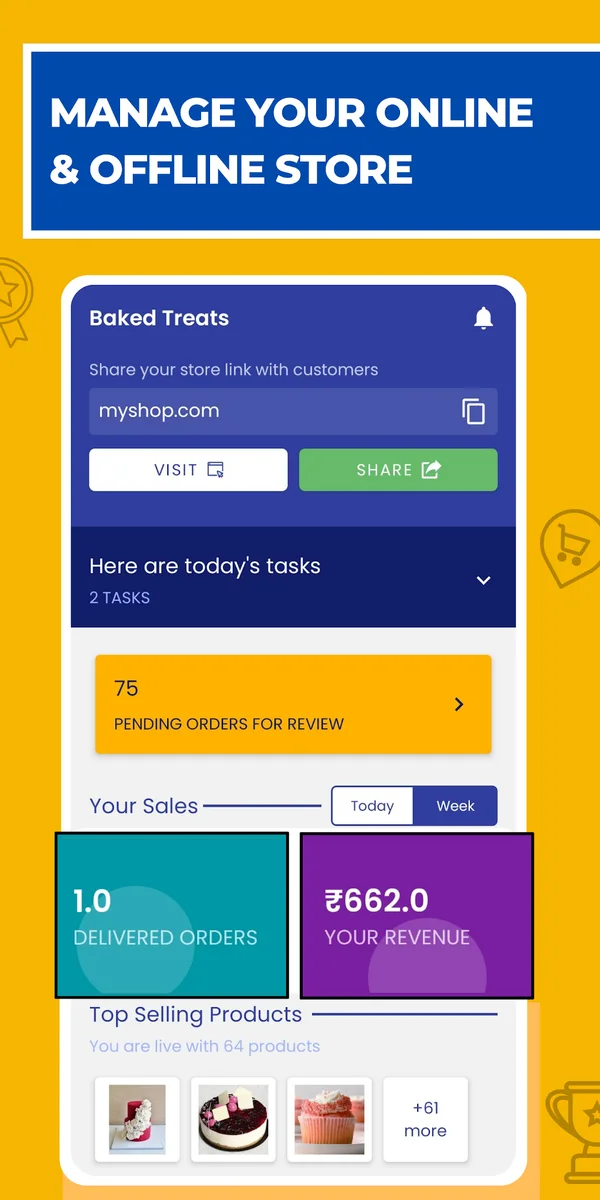
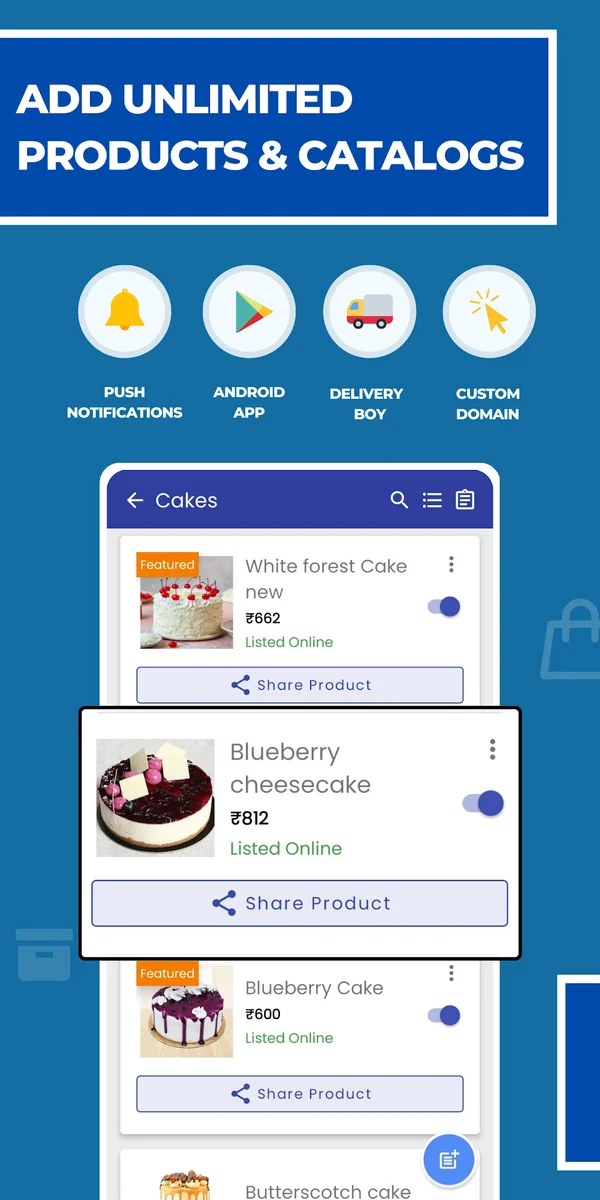
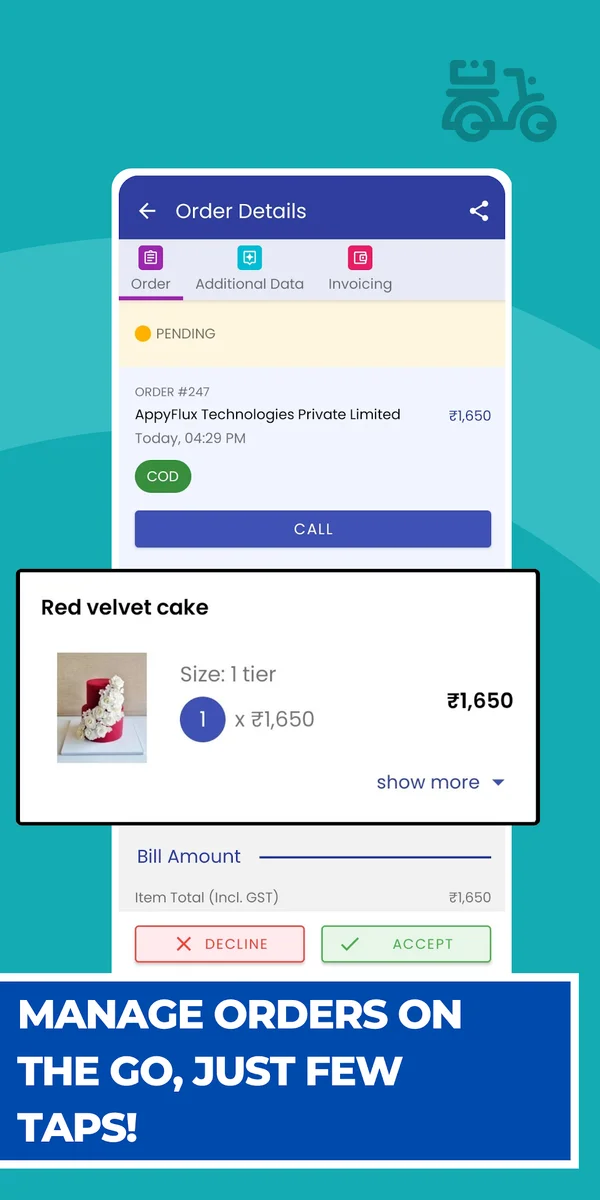
Product artwork from ZyadaShop’s public Play Store listing. Mosambee acquired ZyadaShop; this is my past work.
The timing describes APK generation. Store review and approval are separate.
I built ZyadaShop as a mobile-first commerce platform that let merchants create a website and Android app for their shop. It brought storefront creation and the work of running a digital business into a flow designed around a phone. Mosambee later acquired ZyadaShop. I no longer own its rights; this case study documents my past work.
Google Play Best Hidden Gems 2022
ZyadaShop was one of Google Play’s Best of 2022 winners in India, in the Best Hidden Gems category. Google’s announcement described it as enabling entrepreneurs to create their stores from their mobile phones. It was recognition for a product our team had put into people’s hands.
A platform that started with the merchant
A merchant should be able to get a digital storefront without assembling a development team. ZyadaShop generated a customer-facing website and app from a shop’s content and configuration.
The platform grew to more than 500 shipped features. That number describes the breadth of work I shipped across ZyadaShop; it is part of my first-person project history, rather than an independently audited product count.
Approximately 15 seconds to generate an APK
ZyadaShop generated an Android application package from the merchant’s configuration in approximately 15 seconds. That timing refers to generating the APK, not to installing it on a customer’s phone or obtaining store approval.
App generation is an engineering workflow under the platform’s control. Play Store publishing is a separate workflow with its own submission and review stages.
From configuration to distribution
The product connected three stages:
- The merchant supplied the shop’s information and configured the storefront.
- The platform generated the website and Android app package.
- A Play Store publishing workflow carried the app toward distribution, subject to the store’s processes.
The interesting engineering problem was the connection between these stages. A simple merchant-facing action needed to produce a useful artifact and a clear next step. Fast package generation only helped if the merchant could understand what the platform had built and what still needed to happen.
What carried forward
ZyadaShop made me work across product design, Android, web applications, and the systems connecting them. Its acquisition by Mosambee led into my work on POS and merchant platforms.
The same impulse is visible in OpenAlly: make a useful capability reachable by someone with a task to do, then take the supporting system seriously.
Sources & further reading
- Google Play’s Best of 2022 in India: Best Hidden Gems
- Satyajit’s LinkedIn profile and ZyadaShop project history
- Matterward Labs product links
What I built, and the history behind it, is my first-person account. The links above back up the product descriptions and implementation details.
 Talk to me on LinkedIn